
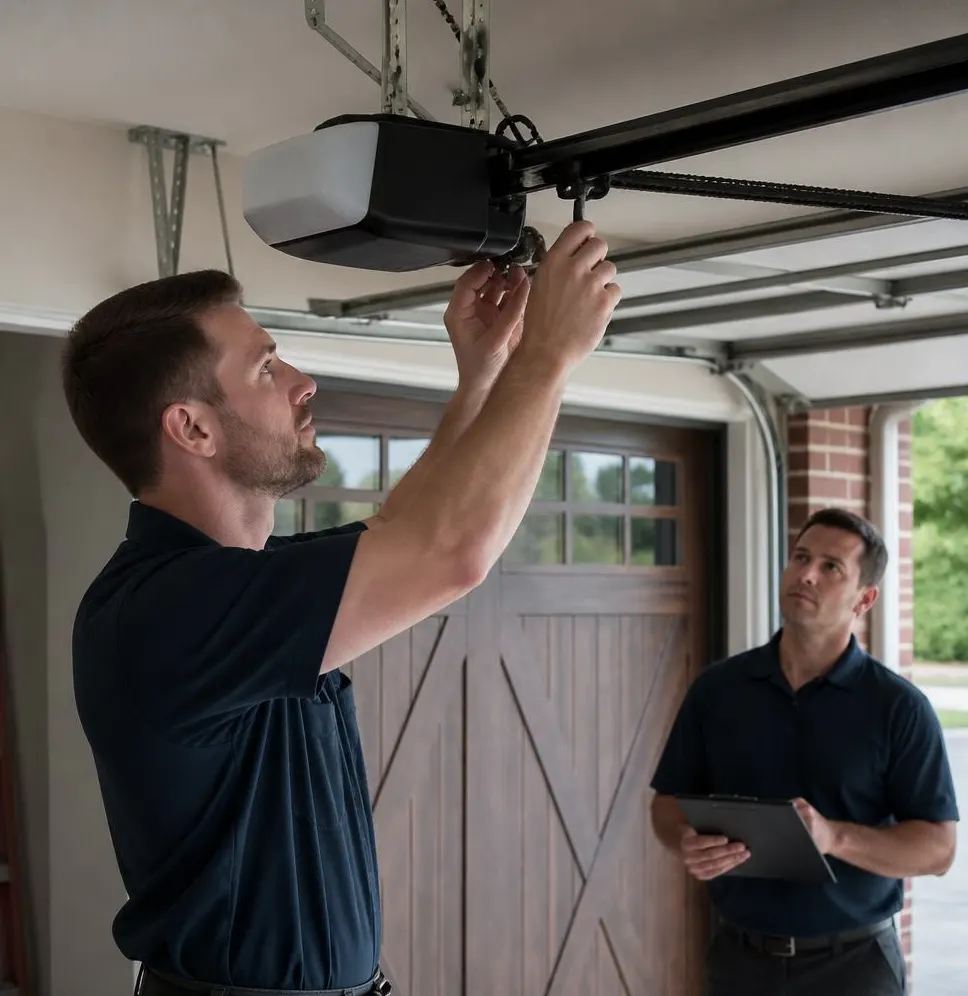
If your garage door has run smoothly all summer, a short fall check-up is usually all it needs before winter arrives. The exceptions are doors that took on moisture or wind stress during hurricane season, doors near the water that have been quietly rusting, and anything that was already starting to drag, squeal, or stick before the weather turned.
Winter Here Isn't Like Winter Up North
Homeowners from colder states sometimes brace for freezing hardware and iced-up tracks. That's not what garage doors deal with around East Point, Apalachicola, Carrabelle, or St. George Island. What you actually get is a swing from hot, saturated summer air to cooler, drier nights, mixed with the tail end of storm season and near-constant salt exposure if you're close to the coast. That combination causes its own set of problems, just not the ones a winterizing checklist written for Minnesota would cover.
Check the Weatherstripping for Gaps, Not Cracks from Cold
Wood and composite doors swell in the thick humidity of a Gulf Coast summer, then shrink back down as the air dries out in fall and winter. That shrinking can open up gaps along the bottom seal or sides that weren't there in August. Run your hand along the bottom seal on a cool morning — if you feel a steady draft or see daylight coming through in spots, the seal has likely compressed or pulled away from the track. A new bottom seal is inexpensive and takes a technician or a handy homeowner less than an hour to swap out, and it keeps wind-driven rain from pooling inside the garage during the next afternoon downpour or late-season system.
Look Hard at Metal Hardware for Salt and Storm Damage
Salt air doesn't take a season off, and if your home is anywhere near the coast, now is a good time to inspect:
- Springs for surface rust or pitting, especially if they're original to the house
- Rollers and hinges for stiffness, grinding, or visible corrosion
- Tracks for small dents or bends that may have happened during storm-force winds earlier in the season and gone unnoticed
- Bolts and brackets where rust can loosen a connection over time
A light coat of silicone-based garage door lubricant on hinges, rollers, and the spring coils helps push back against salt corrosion. Avoid heavy grease, which tends to collect grit and gum up moving parts faster than it protects them.
If Your Door Took Wind Load This Hurricane Season
Even if nothing failed outright, a door that flexed under sustained wind during a storm this past season can develop subtle track misalignment that doesn't show up until weeks later as a grinding noise or a door that doesn't sit flush when closed. If your area experienced strong wind events this fall, it's worth having the track alignment and wind-load-rated hardware checked now, before a winter storm system puts stress on a door that's already slightly out of true.
Test the Opener and Backup Power
Storm season may be winding down, but Gulf Coast weather systems don't fully respect the calendar, and power outages can still happen into the early winter months. If your opener has a battery backup, test it now — manually cut power at the breaker and confirm the door still opens. If the battery is more than a few years old, it may hold a charge for only a cycle or two instead of the dozen or more it should manage. Replacing an aging backup battery before you need it is far better than discovering it's dead during an outage.
Address Rust Before It Spreads
Afternoon downpours followed by hot, humid evenings create ideal conditions for rust to take hold on any exposed metal, and that process doesn't pause just because temperatures drop slightly in winter. Check the bottom corners of a steel door, the track mounting brackets, and any exposed fasteners. Small rust spots can usually be sanded back and treated with a rust-inhibiting primer and matching touch-up paint. Left alone through another few months of coastal humidity, those spots spread and weaken the metal underneath.
Give the Door a Balance and Force Check
Disconnect the opener and lift the door by hand halfway up. It should stay in place on its own. If it drifts down or shoots up, the springs have lost calibration — a common result of a full season of heat expansion and humidity swings. A door that's out of balance puts extra strain on the opener motor and the springs themselves, and it's one of the more common reasons openers burn out earlier than they should.
When to Call Precision Garage Door of East Point
If you find rusted springs, a door that won't hold its position when disconnected from the opener, or hardware that looks bent or stressed from this season's storms, that's a job for a technician rather than a DIY fix. Precision Garage Door of East Point handles Garage Door Maintenance & Tune-Up visits that cover exactly this kind of pre-winter inspection — lubrication, hardware tightening, balance testing, and a check of wind-load-rated components. If the inspection turns up a spring that's rusted through or losing tension, our Garage Door Spring Repair service gets it replaced safely and brought back into proper balance the same visit.
Serving East Point, Apalachicola, Carrabelle, St. George Island, Lanark Village, Port St. Joe, and Mexico Beach, our technicians know how differently a garage door ages near the Gulf compared to inland. If your door has been sluggish, noisy, or just hasn't been looked at since last winter, call Precision Garage Door of East Point, FL, to get it checked out before the season's storms roll through.